


If you have chronic pain, nonstop stress, or feel like your nervous system is always “on,“ you have probably wondered if float therapy actually works or if it is just a wellness trend.
We hear that question every week.
As a clinic that offers therapeutic massage, chiropractic care, and professional float therapy under one roof, we have watched hundreds of Utah County clients use floating to sleep better, hurt less, and finally get a real break from stress. In this guide, we will walk through what float therapy is, what the research shows, who it helps most, and what you can realistically expect from your first session so you can decide if it is right for you.
What Float Therapy Is And How It Works
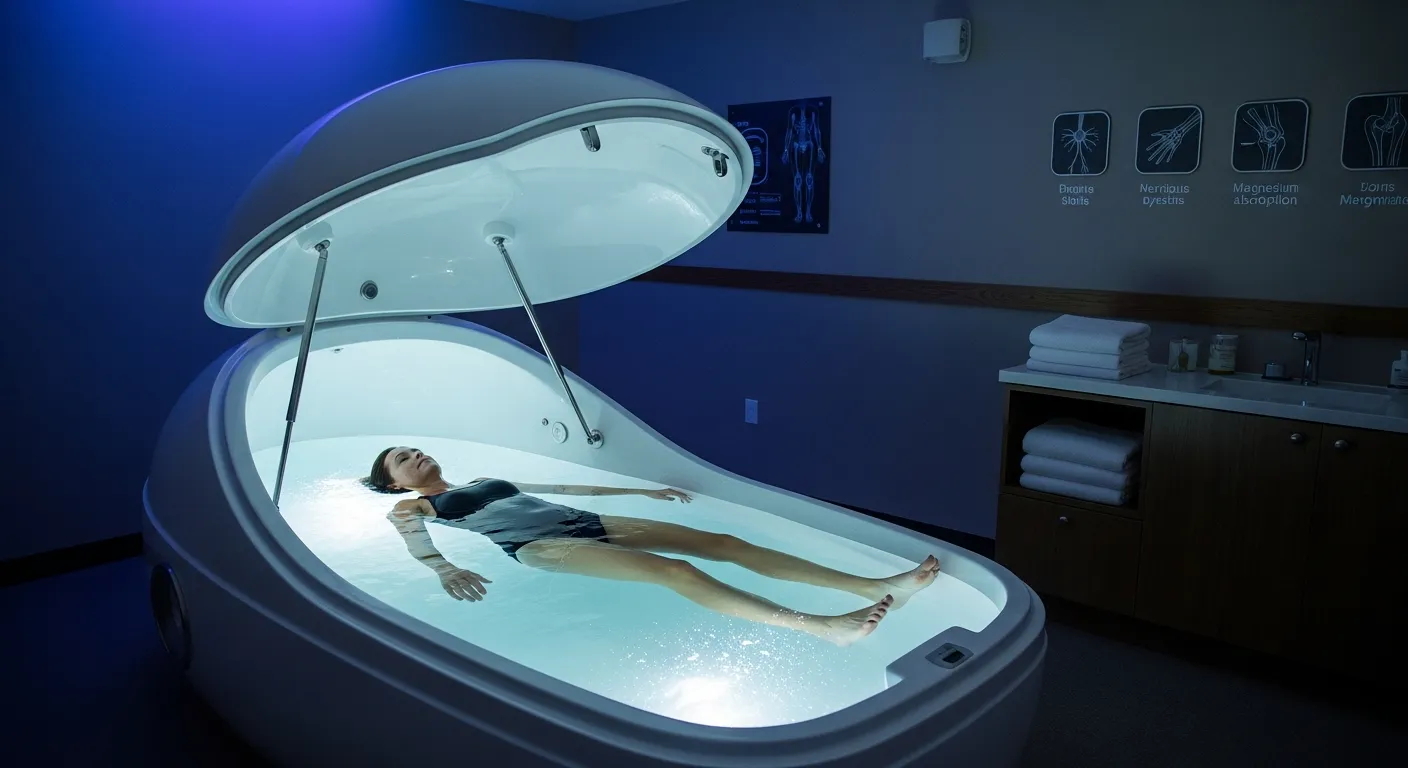
Float therapy, sometimes called flotation REST (Restricted Environmental Stimulation Therapy), involves lying in a quiet, dark tank or pod filled with warm water and a high concentration of Epsom salt. The salt makes you effortlessly buoyant, so you float at the surface with almost no pressure on your joints or spine.
At our Pleasant Grove center, the water is heated to skin temperature and the room is kept still and quiet. Within a few minutes, your brain stops paying attention to gravity, noise, and outside light. What you feel is a deep, supported weightlessness that is very different from a bath or hot tub.
Here is what is happening in your body during a float:
- Muscles and joints unload: With gravity taken off your body, tight muscles and compressed joints get a rare chance to fully decompress.
- Nervous system shifts out of “fight or flight“: The quiet, low-stimulation environment helps your brain move into calmer brainwave states and activates your parasympathetic nervous system, which is responsible for rest, digestion, and repair.
- Magnesium from Epsom salt is absorbed through the skin: This can support muscle relaxation and nerve function, and is one reason many people use floating for tension relief.
If you want a deeper jump into how this all comes together, we break down the core health benefits of float therapy and what is happening behind the scenes in more detail on our site.
The Science Behind Floating: What Research Shows
Float therapy is not just a spa trend. Over the last several decades, researchers have studied flotation REST for pain, anxiety, and stress.
Some of the most consistent findings from published studies include:
- Reduced stress and anxiety
Repeated sessions have been shown to lower perceived stress and reduce symptoms in people with generalized anxiety. That lines up with what we see clinically when clients use float therapy for anxiety relief as part of a broader wellness or recovery plan.
- Lower muscle pain and tension
People with chronic neck, back, and shoulder pain often report less pain and better range of motion after a series of floats. Research shows decreases in pain intensity and an improved sense of physical relaxation after sessions.
- Support for fibromyalgia and chronic conditions
Studies on float REST for fibromyalgia have reported improvements in pain, stiffness, and quality of life. We see similar outcomes when we pair float therapy as treatment for fibromyalgia with targeted massage and chiropractic care.
- Nervous system and hormone effects
Floating has been associated with reductions in cortisol (one of the body’s main stress hormones) and increases in feelings of calm and wellbeing.
If you are curious about the research side, you can review more details in our overview of the benefits of flotation REST supported by science. The short version: the evidence is strong enough that many pain clinics, mental health providers, and high level athletes now use float therapy as part of their care strategies.
Key Benefits People Commonly Experience
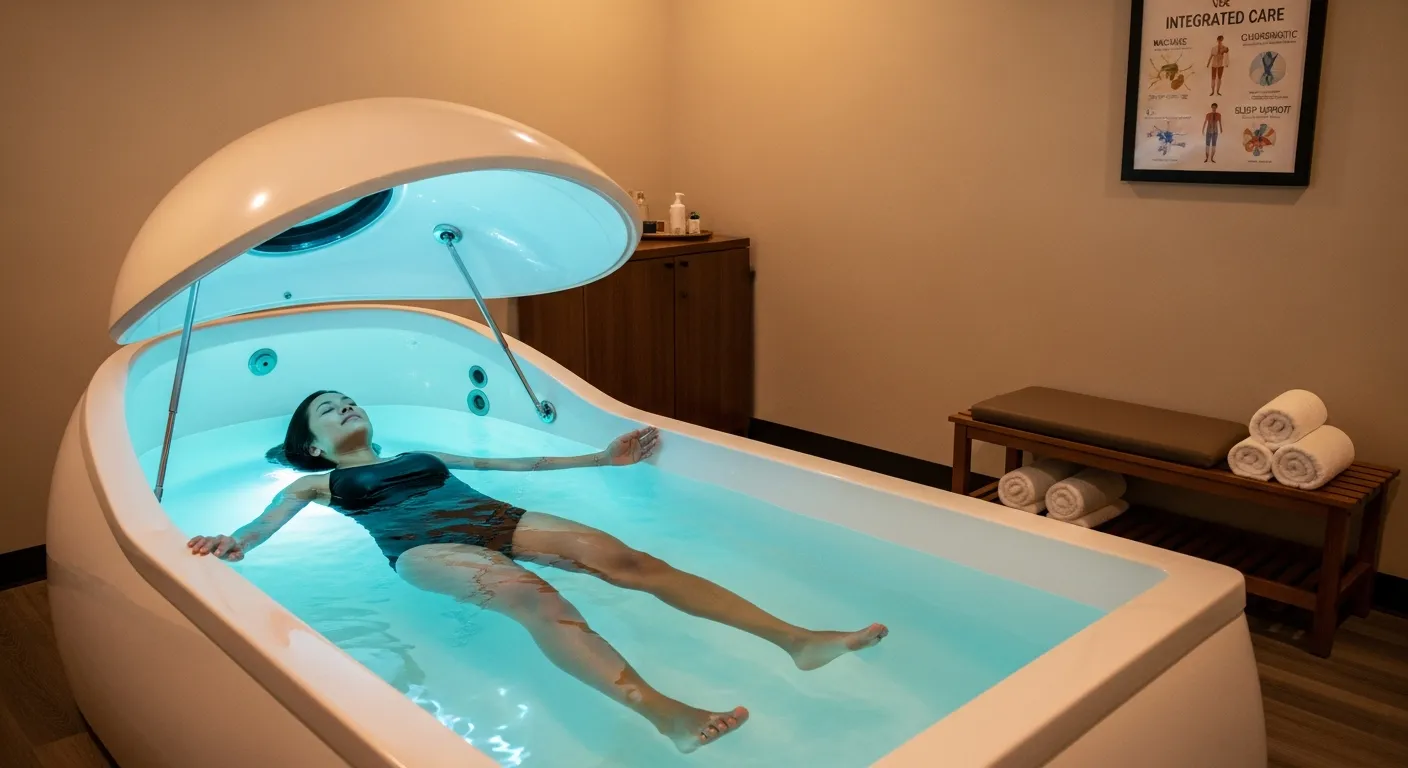
Everyone’s experience is a little different, but there are patterns we see again and again from clients who float regularly.
Deep physical relaxation and muscle relief
Because your body is essentially weightless, tight muscles get to fully let go. This is especially powerful when combined with our hands-on work. Many clients use float therapy for muscle pain relief between massage or chiropractic sessions to keep tension from building back up.
People often report:
- Less stiffness in the neck, low back, and hips
- Fewer muscle spasms and cramps
- Easier movement during daily activities and workouts
Calmer mind and reduced anxiety
When you step into a quiet, dark float room, there are no phones, no notifications, and no visual clutter. Your nervous system finally gets a break.
Clients frequently share that they:
- Feel “mentally lighter” after sessions
- Worry less and sleep more deeply that night
- Notice fewer stress spikes during the week
For many, floating becomes a cornerstone of their stress management plan, along with counseling, mindfulness, and other care.
Better sleep quality
By shifting your body into a deeply relaxed state, floating often helps reset sleep patterns. Many clients fall asleep faster and wake up less through the night after a float session. If you struggle with insomnia tied to pain or anxiety, floating can be a helpful piece of a comprehensive sleep strategy.
We talk about this more in our guide on how float therapy improves sleep quality.
Support for chronic pain conditions
Chronic pain is complex and rarely solved by a single tool. That is why we approach it with multiple therapies. Floating can:
- Give your nervous system a break from constant pain signals
- Reduce inflammation related tension
- Make follow up massage or chiropractic sessions more comfortable and effective
Clients with conditions like fibromyalgia or chronic fatigue often find that regular float sessions, combined with other treatments, help them function better day to day. Our article on relief from chronic pain with float therapy shares more about how and why that happens.
Who Is Most Likely To Benefit From Float Therapy
In our experience, float therapy is especially helpful for people who:
- Live with chronic neck, back, or joint pain
- Feel constantly stressed, overwhelmed, or anxious
- Struggle to fall asleep or stay asleep
- Are recovering from past injuries and want to calm ongoing muscle guarding
- Spend long hours sitting at a desk or commuting
- Train hard in the gym or in sports and need more recovery
Float therapy can be a strong addition to care plans for:
- Fibromyalgia and other widespread pain conditions
(see also our overview of fibromyalgia and the chronic pain condition)
- Migraine and tension headaches
- Stress related jaw tension and grinding
- Overuse injuries from work or sports
There are some situations where floating is not appropriate, including certain medical or skin conditions, uncontrolled epilepsy, or open wounds. We always screen for safety and review your health history before booking your first float. You can also read our guide on who should not use a float tank and why for more detail.
If you are unsure whether float therapy is a good fit for your specific health situation, we are happy to talk through your questions and help you decide.
Why Professional Float Centers Beat Any At‑Home Setup
From time to time, people ask if they can get the same benefits with a DIY setup in a bathtub or small inflatable tank at home. It sounds appealing on the surface, but there are important reasons professional float centers are different.
1. True sensory reduction is almost impossible at home
For float therapy to work as designed, you need:
- Precise water temperature that matches skin temperature
- The right salt concentration to achieve effortless buoyancy
- A quiet, clean, private space with controlled lighting
Most homes have noise, temperature changes, kids, pets, and interruptions. Even small distractions pull your nervous system back into alert mode, which limits the depth of relaxation you can reach.
2. Cleanliness and water quality are carefully controlled
A professional float tank is a carefully engineered environment. We monitor filtration, salt levels, and sanitation continuously so the water stays clear, comfortable, and hygienic.
At home, maintaining that level of quality can be expensive and time consuming. Our answer to common concerns about whether float tanks are sanitary and hygienic goes into more detail about the systems we use.
3. Professional guidance improves results
We do not simply put you in a room and walk away. Our team:
- Prepares you for what to expect physically and mentally
- Helps you adjust the environment (light, music, timing) based on your needs
- Integrates floating with massage, chiropractic, and other services for better overall results
Trying to figure everything out alone at home can be frustrating and can lead people to quit before they ever experience the deeper benefits.
4. Long term value is higher
When you consider equipment costs, salt, cleaning supplies, and the learning curve, most people find a professional float therapy service is far more practical. You get expert care, consistent results, and no maintenance. We also offer membership options for wellness, recovery, and relief that make regular floating affordable for Utah County families.
What To Expect In Your First Float Session
Feeling nervous about your first float is completely normal. Our job is to make the experience simple, safe, and comfortable.
Here is how a typical first visit goes at our Pleasant Grove clinic:
Step 1: Welcome and brief health review
We greet you at the front desk, review your intake form, and go over any health concerns. This is the time to mention injuries, chronic conditions, or worries so we can adapt the session to you.
Step 2: Orientation and questions
We walk you to the float room, show you how the tank works, and explain how to adjust lights and music. We also cover practical tips like how to position your arms, how to keep saltwater out of your eyes, and what to do if you feel unsure at any point.
If you would like a detailed preview, our guide to your first float therapy session walks through common questions in more depth.
Step 3: Shower and enter the tank
You shower to remove oils and lotions, then step into the tank and slowly lean back until you are floating. It usually takes a minute or two for your body to trust that the water will hold you.
Step 4: Settle in and relax
You can choose to float with the lid open or closed, with soft light or complete darkness. Some clients like gentle music at first, then prefer silence once they feel comfortable.
During the session, you might:
- Feel your muscles gradually “melt” into the water
- Notice your thoughts slow down
- Drift in and out of a very restful, meditative state
We often recommend starting with 60 minutes. If you are curious about session length and costs, this breakdown of how much a float tank session costs is a helpful reference.
Step 5: After your float
The tank’s gentle filter comes on at the end of the session as a signal that time is up. You step out, shower again to rinse off the salt, and then have time to sit, drink water, and slowly transition back to your day.
Many people describe feeling unusually calm, clear, and loose in their body for hours after. Our article on what you can expect after a float therapy session shares more of those common after effects.
Ready To Experience The Benefits Of Float Therapy?
If you have read this far, you are probably not just curious about float therapy, you are wondering if it might finally be the thing that helps you feel like yourself again.
Here is what we want you to know.
Float therapy is not magic, and it is not a one size fits all solution. What it can be is a powerful tool for calming your nervous system, easing pain, and giving your body and mind the deep rest they need to heal.
At Therapeutic Massage & Bodywork in Pleasant Grove, we combine professional float therapy with therapeutic massage, chiropractic care, and personalized treatment plans so each session moves you toward real, lasting relief. You are never just left to figure it out alone in a tank. We walk with you, adjust as you go, and help you integrate floating into a broader plan that fits your life.
If you are ready to see how float therapy could help with your pain, stress, or sleep, you can explore our integrated approach on our main services page or look through our educational blog for more real world guidance.
When you are ready, we would love to welcome you into a quiet float room, help you settle in, and show you what this level of deep rest can feel like. Your path to calmer days and easier movement can start with a single session at Therapeutic Massage & Bodywork.
Key Takeaways
- Float therapy works by creating a weightless, low-stimulation environment that helps your nervous system shift from “fight or flight” into deep rest and recovery.
- Research on float therapy (flotation REST) shows consistent benefits for stress, anxiety, chronic muscle pain, and conditions like fibromyalgia when used regularly.
- Many people experience noticeable improvements in sleep quality, reduced muscle tension, and a calmer mind after incorporating float therapy into their wellness routine.
- Float therapy is most effective for people dealing with chronic pain, high stress, poor sleep, and athletic overuse, especially when combined with massage, chiropractic care, or other treatments.
- Professional float centers deliver better results than at‑home setups by precisely controlling water quality, temperature, salt levels, and environment, and by providing guidance tailored to your needs.
Float Therapy: Frequently Asked Questions
Does float therapy really work for pain and stress?
Yes, research on flotation REST shows meaningful reductions in stress, anxiety, and muscle pain, especially with repeated sessions. Many people report less stiffness, fewer spasms, calmer mood, and better sleep. It’s not a cure‑all, but float therapy can be a powerful tool within a broader pain or stress‑management plan.
What happens to your body during float therapy?
During float therapy, Epsom salt makes you buoyant so gravity’s pressure on joints and muscles is greatly reduced. Your nervous system shifts from “fight or flight” into a calmer parasympathetic state, cortisol may decrease, and absorbed magnesium can support muscle relaxation, leading to deep physical and mental relaxation.
Who is most likely to benefit from float therapy?
People with chronic neck, back, or joint pain, high stress or anxiety, poor sleep, desk-bound jobs, athletic training demands, or conditions like fibromyalgia, migraines, or tension headaches often benefit. Float therapy can ease muscle guarding, calm the nervous system, and complement treatments like massage, chiropractic care, and counseling.
How many float therapy sessions do I need to feel results?
Many people notice some relief after just one float therapy session, especially in stress and muscle tension. However, research and clinical experience suggest that a series of sessions—often 4–8 over several weeks—provides deeper, longer-lasting improvements in pain, sleep, and anxiety. Ongoing maintenance sessions then help sustain results.
Are there risks or people who should avoid using a float tank?
Float tanks are generally safe, but they’re not recommended for people with uncontrolled epilepsy, certain serious medical or skin conditions, open wounds, or infections. Those with severe claustrophobia, untreated psychosis, or unstable heart conditions should consult a healthcare provider first. Professional centers screen clients and review health histories for safety.
Related posts


Popular Posts

Float Therapy Membership FAQ: Common Questions Answered

Chiropractic Care You Can Trust in Pleasant Grove, Utah

